How do you talk to your teen without it turning into a fight?
Most arguments with teenagers aren't really about the thing you're arguing about. Here's what's actually happening — and how to break the cycle.
Why Every Conversation Feels Like a Battle
If you're a parent of a teenager, you've probably had this experience: you ask a simple question, and somehow, within three minutes, both of you are upset and nothing got resolved.
You're not alone. And it's not because your kid is broken — or because you are.
What's Actually Going On
Teenagers are in a developmental stage defined by one core need: autonomy. Their entire psychology is oriented toward individuation — becoming their own person, separate from you.
When parents communicate in ways that feel controlling (even unintentionally), teens resist. It's not defiance for the sake of it. It's biology.
Common communication patterns that trigger resistance:
Lecturing (even when you're right)
Questions that are really disguised criticism ("Why would you do that?")
Jumping straight to advice before they feel heard
Comparisons ("When I was your age...")
The Shift That Changes Everything
Listen to understand, not to respond.
Most parents listen while preparing their counter-argument. Teens feel this immediately, and it shuts them down. Try something radical: just listen. Don't fix. Don't advise. Just reflect back what you heard.
"It sounds like you felt like nobody was listening to you there."
Watch what happens.
Practical Strategies
Choose your timing. Don't attempt important conversations when someone is hungry, tired, or just walked in the door. Emotional availability matters.
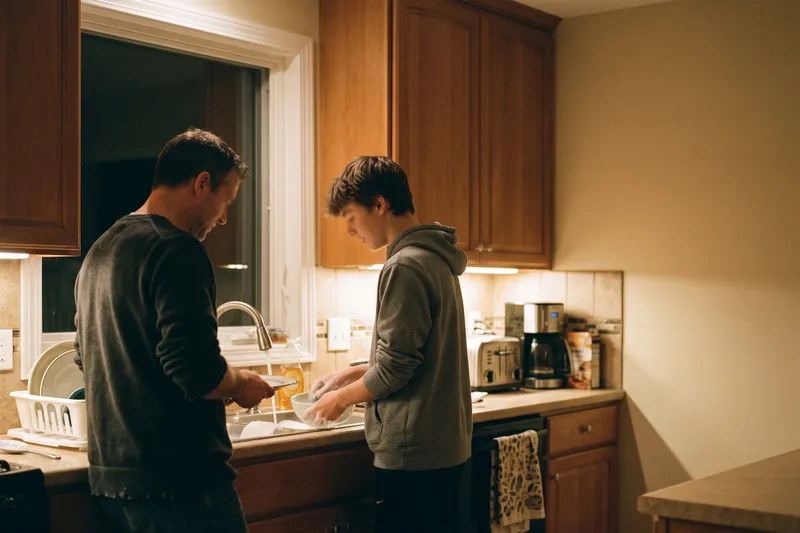
Side-by-side, not face-to-face. Teens often open up more during activities — driving, cooking, walking — than in sit-down talks that feel like interrogations.
Ask, don't tell. Instead of "You should apologize," try "What do you think would make this right?" You might be surprised.
Pick your battles. Not every behavior requires a comment. Constant correction teaches teens to tune you out. Reserve your energy for what matters.
The Relationship Is the Foundation
Teens don't take advice from people they don't feel connected to. Before any strategy works, the relationship has to be there. That means investing time outside of conflicts — just being present, curious, and genuinely interested in their world.
It pays dividends when the hard conversations come.
Struggling with communication at home? Book a family coaching call.